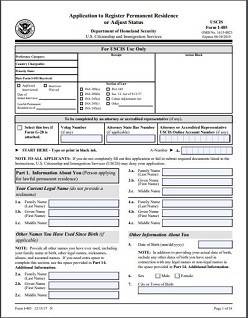
Form I-130 confirms a qualifying family relationship and starts the immigration process for a relative. In 2025, only U.S. citizens and lawful permanent residents can file. Immediate relatives include spouses, unmarried children under 21, and parents. You must be 21+ to sponsor a parent or sibling. File Form I-130 and, when eligible, Form I-485. Pay USCIS’s current fees, upload evidence of status and relationship, and expect backlogs in Texas service centers. The petition does not grant legal status or work rights. San Antonio families often hire The Echavarria Law Firm to avoid RFEs and filing errors. See how we handle Form I-130 petitions from filing through approval.
Who Can File and Which Family Relationships Qualify
Two categories can submit Form I-130: U.S. citizens and green card holders. Your status determines which relatives qualify and how quickly they move through 2025 visa categories. Our family-based immigration attorneys map the right category before you file.
Immediate relatives of U.S. citizens face no annual caps. These include spouses, unmarried children under 21, and parents. Marriage cases require bona fide proof under current USCIS fraud-screening rules.
Eligibility for children depends on age, marital status, and stepchild formation dates. Parent petitions require the petitioner to be 21+. Only U.S. citizens 21+ can file for siblings under the family preference system. Some stepchildren qualify through adoption or guardianship if legal relationships formed before age-limit deadlines.
Required Forms, Fees, and Supporting Evidence
Start with Form I-130. If the beneficiary is in the U.S. and eligible to adjust status, you may file Form I-485 at the same time. USCIS updates fees and editions regularly, and Texas applicants should confirm 2025 fee tables before filing.
Prepare an evidence set: proof of your citizenship or permanent residence, birth or marriage documents, name-change records, and relationship evidence. Include bona fide marriage proof for spouse cases.
Submit clear scans and certified translations. Use the correct form versions and exact fees. Keep a full copy of the packet and delivery confirmation.
Step-By-Step Process From Filing to Approval
File Form I-130 online or through the correct lockbox listed in the 2025 USCIS instructions. Confirm eligibility and ensure names, signatures, and dates match uploaded identity documents.
USCIS will issue a Notice of Action. Track your case and review processing times for Texas and California service centers.
Respond quickly to RFEs. If the beneficiary is abroad, follow National Visa Center steps, fees, and interview scheduling. If in the U.S., pursue adjustment when a visa number becomes current.
Timelines vary by family category and country of chargeability. Demonstrate a real relationship and eligibility to reduce denial risks.
What the I-130 Does vs. What It Doesn’t Do
Form I-130 establishes a qualifying family relationship and creates a place in the visa line when required. It enables next-step filings and adds the case to DHS systems. It does not give lawful status, a work permit, or guaranteed approval timing. Family preference limits and processing delays still apply.
Does (I-130) | Doesn’t (I-130)
Confirms qualifying relationship | Grant a green card
Creates priority date | Provide work authorization
Enters case into DHS system | Guarantee a timeline
Allows next-step filings | Cure inadmissibility issues
Opens a legal immigration pathway | Replace later filings
Common Mistakes, Processing Times, and Practical Tips
Small errors delay cases for months. Avoid missing signatures, wrong fees, and unclear evidence. Use readable scans and exact name spellings. San Antonio residents should monitor USCIS 2025 field-office updates because Texas sites face higher backlogs.
Check processing times by service center; some 2025 I-130 categories exceed 12–20 months. Label evidence clearly and match it to form sections. Before interviews, review relationship history, documents, and updated evidence.
Frequently Asked Questions
Can I Withdraw an I-130 After Filing?
Yes. Send USCIS a signed withdrawal request with the receipt number, both parties’ names, and a short reason. No filing fees are refunded. Timelines vary by office, including Texas service centers. Withdrawal may affect the beneficiary’s status, so legal guidance is recommended.
How Do I Update USCIS With a New Address?
Submit Form AR-11 online and update each pending case. Mail delays remain a major cause of missed notices. Save confirmation records and monitor your case status through the USCIS online portal.
What Happens if the Petitioner Dies During Processing?
USCIS may terminate the petition, but beneficiaries can request humanitarian reinstatement. You must show strong hardship factors and provide evidence for a substitute sponsor. If reinstatement is denied, the case ends. Follow 2025 USCIS humanitarian guidance when preparing documentation.
Can Multiple I-130s Be Filed for the Same Beneficiary?
Yes. Different qualifying relatives may file separate I-130s, each with its own priority date. This can reduce long waits in preference categories. A single petitioner should not file duplicates.
How Do I Expedite an I-130 for Urgent Humanitarian Reasons?
Request expedited processing through USCIS by phone and online. Provide evidence of emergency circumstances such as medical crises, family separation, or financial harm. Present medical letters, affidavits, or official documents. Congress members in San Antonio can assist with urgent cases. If denied, you can reapply with stronger evidence.
(Authority citation: USCIS Policy Manual, Family Immigration, 2025 Edition.)